
This is one school’s experience with NBME assessments. Results or outcomes may vary and depend on factors beyond NBME’s control, such as student participation, individual study habits, faculty support and engagement, and/or variations in curriculum, among other things.
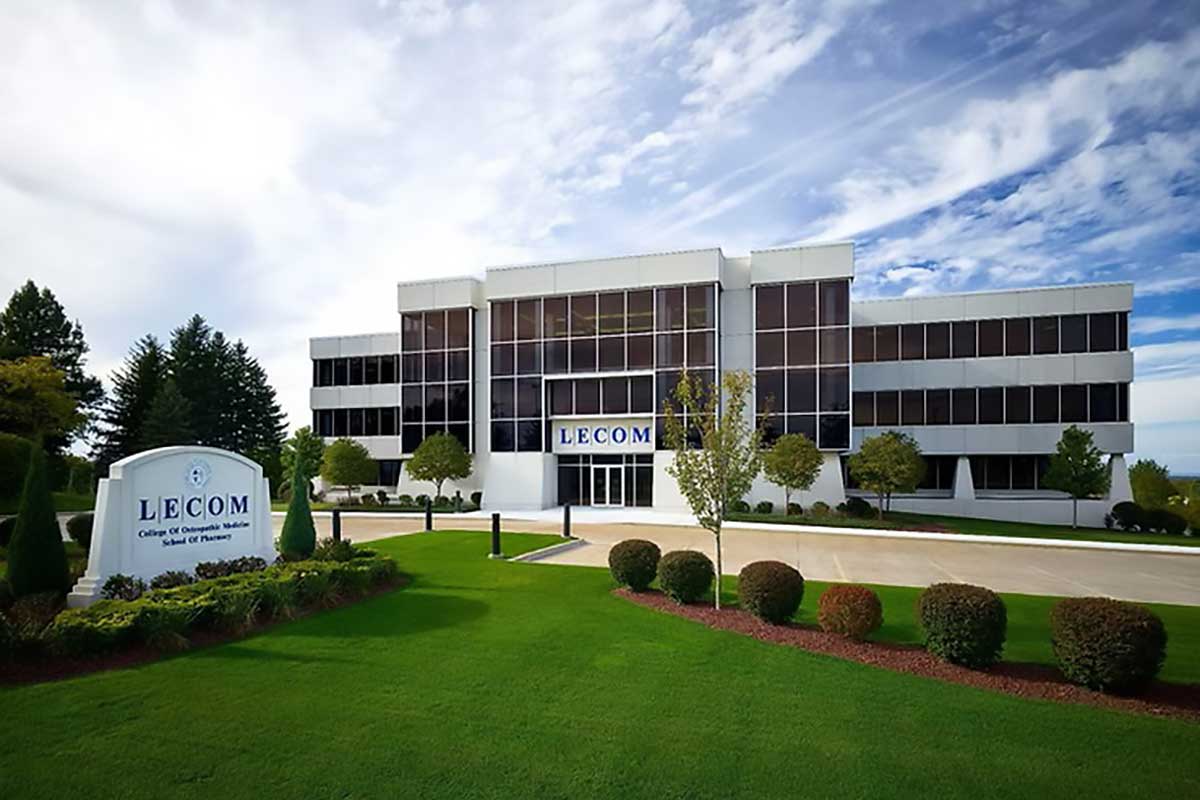
LECOM’s preclinical curriculum is delivered through multiple learning pathways, including the Lecture Discussion Pathway (LDP), Problem-Based Learning Pathway (PBL), Directed-Study Pathway (DSP), Primary Care Scholars Pathway (PCSP), and Accelerated Physician Assistant Pathway (APAP). With more than 600 students completing the preclinical curriculum across locations and pathways, LECOM needed objective assessments to measure student performance against program standards, regardless of where or how they learn. LECOM uses NBME® Basic Science Subject Exams, Comprehensive Basic Science Exams, and Customized Assessment Services (CAS) as objective reliable measures grounded in nationally standardized performance benchmarks. Based on its long history of using NBME assessments, LECOM reports that these measures have remained a trusted component of its assessment strategy, providing objective data that support curriculum oversight and student progress monitoring across multiple campuses and educational pathways.

We strive to ensure all students, in all pathways, receive a stellar education and are ready to excel in the next phase of their education on their path to becoming excellent osteopathic physicians.
Sarah McCarthy, Ph.D. Associate Professor of Anatomy, Director of the Directed Study Pathway LECOM-Erie
We help our students achieve their career goals by providing an outstanding education, exceptional research and community service opportunities, rewarding clinical rotations in addition to support and guidance throughout their four years.
Nancy Carty, Ph.D. Associate Professor of Microbiology, Assistant Dean of Preclinical Education, LECOM-Erie
NBME Portfolio Parts Used
- NBME Subject Exams: LECOM uses Basic Science Subject Exams near the end of the second year to check discipline-specific retention, including Microbiology/Immunology, Physiology, and Pathology. Student performance is interpreted using nationally normed reference data, allowing LECOM to benchmark cohort outcomes against a broader population. LECOM also administers the Comprehensive Basic Science Exam to provide an integrated view of preclinical readiness.
- Customized Assessment Services (CAS): LECOM uses CAS to deliver customized exams near the end of the second year as part of a board-focused review experience. These customized exams are used to assess retention and readiness across broader preclinical content rather than serving only as individual end-of-course finals.
Supporting Data
- Peer Reviewed Article: Rios-Garcia, et al., “Implementation of the Comprehensive Basic Science Examination in Medicine: A Scoping Review of the Global Level,” Medical Science Educator (2025). https://link.springer.com/article/10.1007/s40670-025-02503-8
- Peer Reviewed Article: Wright and Baston, “Use of the National Board of Medical Examiners® Comprehensive Basic Science Exam: survey results of US medical schools,” Advances in Medical Education and Practice (2017). https://www.dovepress.com/use-of-the-national-board-of-medical-examinersr-comprehensive-basic-sc-peer-reviewed-fulltext-article-AMEP
- LECOM COMLEX Pass Rates: https://lecom.edu/about/accreditation/comlex/
More to Discover
Join our educator community, explore assessment research fellowship opportunities, and see how your peers are innovating assessment best practices.
