

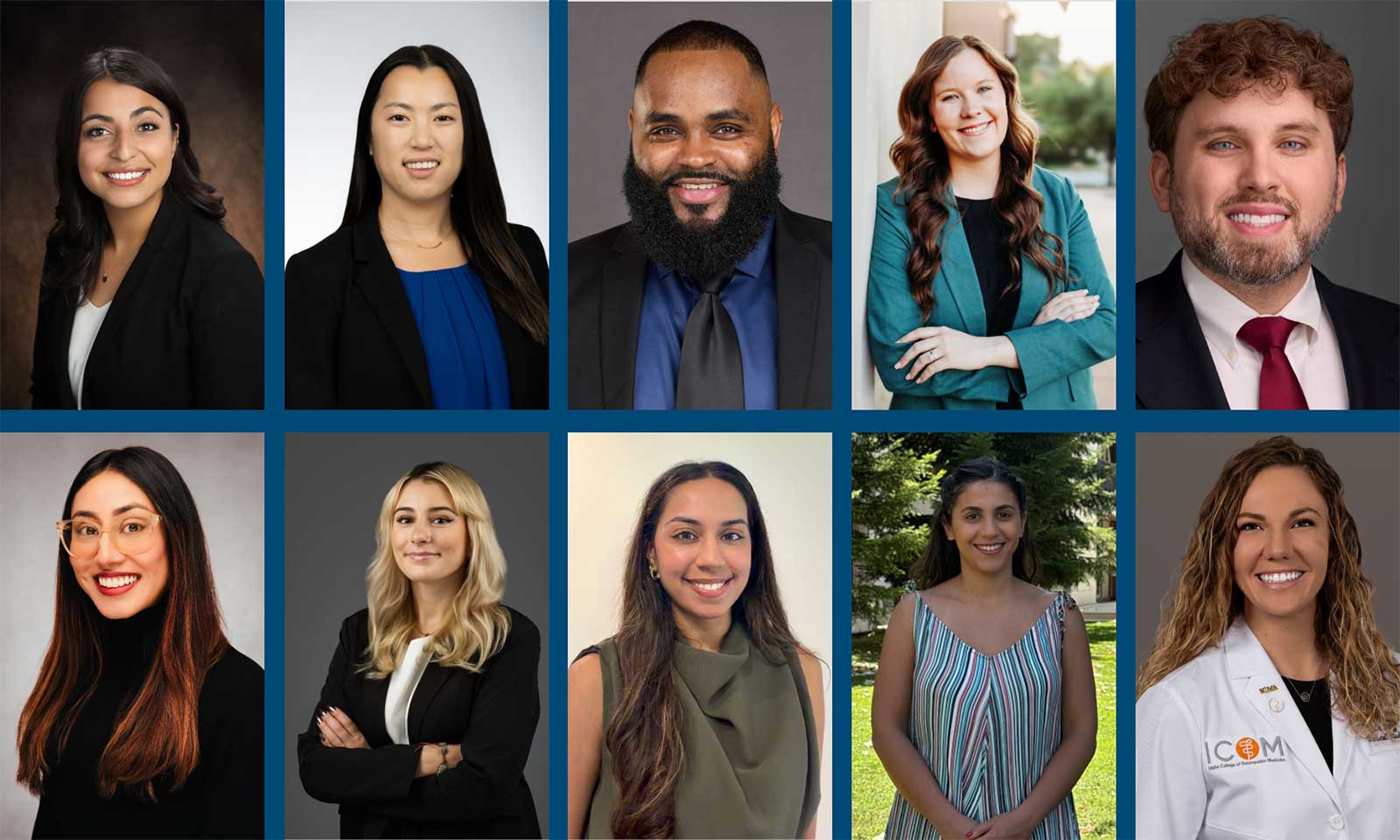
NBME's Medical Student Leader Roundtable brings together student and resident leaders from organizations across the medical education community to engage in regular conversations with NBME employees. Through these discussions, student leaders share insights from their peers, raise important issues affecting learners and help ensure student perspectives inform and shape our work.
We're proud to introduce members of the group, who serve as leaders for their peers through the organizational positions they hold and the communities they represent across the medical education continuum.
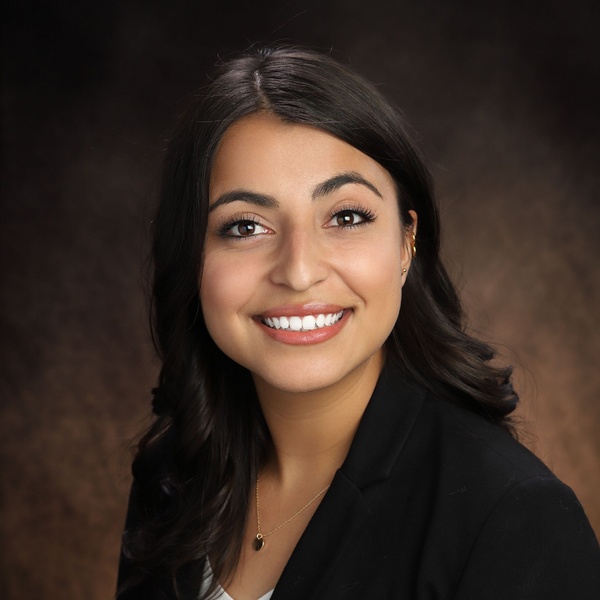
Dahlia Chavez
Rush Medical College
Latino Medical Student Association (LMSA)
What motivates you to serve as a student leader?
I am motivated by the belief that students should have a meaningful voice in shaping the systems in which we learn and train. As a first-generation college graduate, I know what it feels like to enter academic spaces without the same roadmap, mentorship or institutional knowledge others may already have. That experience has made me especially passionate about supporting students from historically underrepresented and marginalized backgrounds in medicine.
Leadership gives me the opportunity to help make those systems easier to navigate and more equitable. I enjoy connecting students with resources, creating opportunities that didn't previously exist, and helping ensure that students who may not immediately see themselves represented in medicine know they belong there.
I am also motivated by the opportunity to improve communication between students and institutions and to bring forward perspectives that may otherwise be overlooked. Ultimately, I see student leadership as both service and systems work: sometimes that means supporting one student, and other times it means asking how we can change a process so that hundreds of students have a better experience.
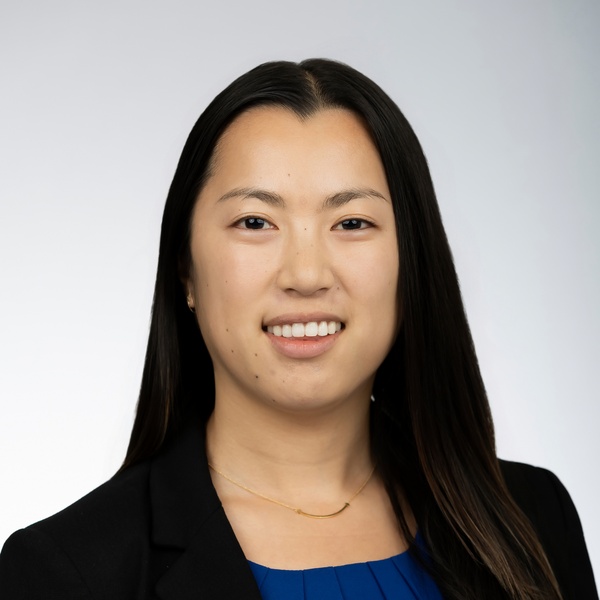
Jessie Chen
University of Miami Miller School of Medicine
Asian Pacific American Medical Student Association (APAMSA)
Tell us about your medical student organization and why it's important to the medical community.
APAMSA is a student-run organization dedicated to addressing the health care needs of Asian American, Native Hawaiian, and Pacific Islander (AANHPI) communities. By leading health screenings, researching subgroup health disparities and advocating for equitable care, APAMSA prepares future physicians to bridge gaps in medicine. Through mentorship and community service, we foster culturally competent leaders committed to advancing health equity for underserved populations.
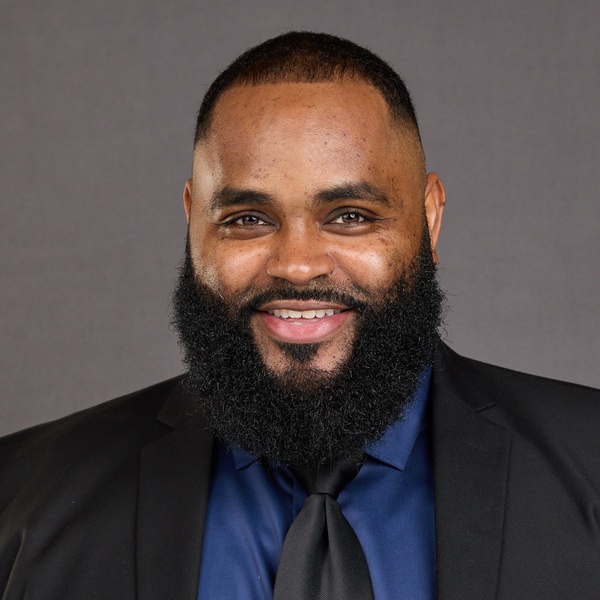
Jonathan Davenport
Medical University of the Americas
Student National Medical Association (SNMA)
Tell us about your medical student organization and why it's important to the medical community.
SNMA is dedicated to supporting pre-medical and medical students through mentorship, professional development, advocacy and community. This organization is important to the medical community because it helps develop the next generation of physicians while strengthening our commitment to service and health equity.
What motivates you to serve as a student leader?
I am motivated by the opportunity to create a lasting impact on the students and communities I serve. Leadership allows me to help others recognize their potential while building something that will continue to benefit future generations of medical students.
Reflecting on your own experience, what advice would you give students beginning their first year of medical school?
Give yourself space to learn and make mistakes. Medical school is a journey, not a race. Build your community early, seek out mentors, stay connected to your "why" and remember that you belong in the room.
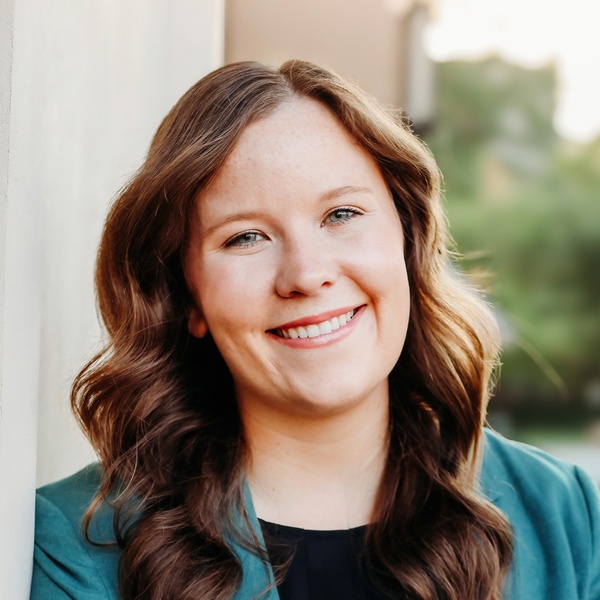
Kate Kouplen
University of New Mexico School of Medicine
Association of Native American Medical Students (ANAMS)
Tell us about your medical student organization and why it's important to the medical community.
ANAMS is a student organization that supports Native American students and health professionals throughout the U.S. and Canada. This organization is important to the medical community because it helps strengthen the pipeline of Native health care professionals, creates a supportive network for students who may otherwise have limited mentorship and ultimately contributes to a health care workforce that is better equipped to understand and serve Native communities.
What motivates you to serve as a student leader?
What motivates me is the opportunity to make the path a little easier for those coming after me. I have benefited tremendously from mentors who shared their time, advice and encouragement, and I want to provide that same support to others. Seeing someone succeed because I helped connect them with a resource, answered a question or simply encouraged them is incredibly rewarding. Whether the impact is big or small, knowing that I helped someone feel more supported and confident in pursuing their goals is what keeps me motivated to serve.
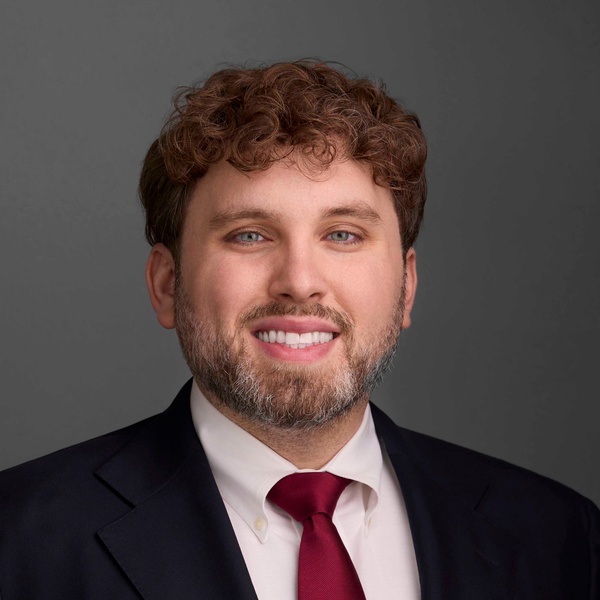
Alex Krawec
David Geffen School of Medicine at UCLA
Association of American Medical Colleges Organization of Student Representatives (AAMC-OSR)
AAMC-OSR provides medical students across the country an active role in advancing AAMC’s mission to improve the nation’s health.
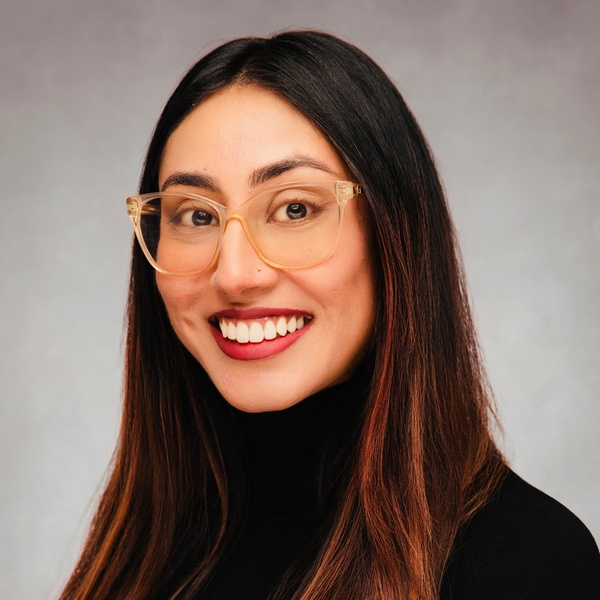
Shivani Mehta
Washington University of Health and Science
Project IMG
Tell us about your medical student organization and why it's important to the medical community.
Project IMG is a global, grassroots organization built by and for international medical students and graduates (“IMGs”). With more than 100,000 members across 120+ countries and 215+ medical schools, Project IMG focuses on three core pillars: medical education, community service and advocacy. Through these areas, we work to provide students and graduates with access to educational resources, meaningful service opportunities, mentorship and a voice in conversations that affect the IMG community.
What makes Project IMG especially meaningful to me is being able to experience that community from the inside. I have seen how one connection, one resource or one person willing to share their experience can make a real difference in someone’s journey. Project IMG is important to the broader medical community because IMGs are an important part of the physician workforce and supporting them ultimately means strengthening the communities and patients they will go on to serve.
What motivates you to serve as a student leader?
What motivates me most is the opportunity to make someone else’s journey a little easier. As a medical student, I have realized that sometimes the challenge is not knowing that a resource exists, but knowing where to find it, who to ask or how to navigate the process. That experience has motivated me to identify gaps and think about how we can make things better for the students who come after us.
Through my involvement in other organizations and NBME, I have first-hand seen the value of connecting students with the right resources while also creating opportunities for students to have a voice in medical education. Being a part of these conversations has reinforced for me that students are not just recipients of medical education—we have perspectives that can help shape and improve it. To me, leadership means recognizing a need, taking the initiative to address it and knowing that our voices as students can make a difference.
Reflecting on your own experience, what advice would you give students beginning their first year of medical school?
My biggest advice would be to not underestimate yourself because you are still a student. Always remember that your perspective matters, and you have more to contribute to medical education and the medical community than you may realize. Take the time to learn, ask questions, build relationships and speak up when you see an opportunity to make something better.
My own experience has taught me that some of the most meaningful opportunities come from simply being willing to get involved and use your voice. You don’t have to have everything figured out in your first year. Stay curious, keep learning, be proactive and, most importantly, remember that being a student does not mean that you have to wait to make an impact.
Brock Pears
Wright State University Boonshoft School of Medicine
American Medical Student Association (AMSA)

Virginia Pohl
Hackensack Meridian School of Medicine
Medical Student Pride Alliance (MSPA
Tell us about your medical student organization and why it's important to the medical community.
MSPA is a national organization dedicated to supporting LGBTQ+ medical students and advancing LGBTQ+ health equity within medicine. Through mentorship, advocacy, education, community building and leadership development, MSPA creates spaces where LGBTQ+ trainees can feel supported while also helping future physicians become better prepared to care for diverse patient populations.
MSPA is particularly important because representation and belonging within medicine directly influence the culture of our profession and the care we provide. LGBTQ+ patients continue to experience disparities in health outcomes and barriers to affirming care, while LGBTQ+ trainees may encounter challenges related to visibility, mentorship and inclusion. MSPA gives medical students the opportunity to address these issues both locally and nationally.
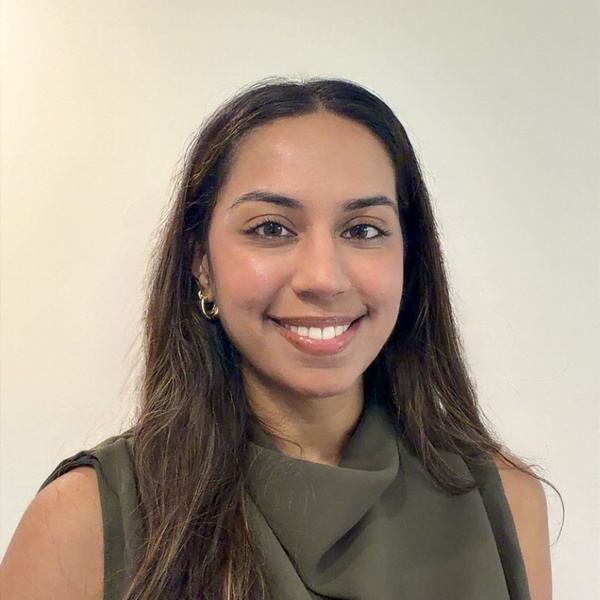
Ayushi Shah
Southern Illinois School of Medicine
American Medical Association Medical Student Section (AMA MSS)
What motivates you to serve as a student leader?
What motivates me most is the opportunity to turn student concerns into something actionable. I think students are often the ones who see firsthand where there are gaps and where things can be improved, which makes their perspectives incredibly valuable. I enjoy helping bridge that gap by asking questions and making sure student perspectives are represented in conversations where decisions are being made. Leadership has also given me the chance to learn from people with very different experiences and viewpoints, which has made me more thoughtful about how I approach problems.
Reflecting on your own experience, what advice would you give students beginning their first year of medical school?
I would tell first-year students not to feel like they have to figure out their entire medical school experience right away. There can be a lot of pressure early on to choose a specialty, start extracurriculars, and compare yourself to everyone around you. I think it’s more important to give yourself time to figure out what genuinely interests you and then invest in those things. I’d also tell them to ask for help and mentorship early. Do not be afraid of cold emailing! Some of the most meaningful opportunities I’ve had started from reaching out or saying yes to something I was interested in.
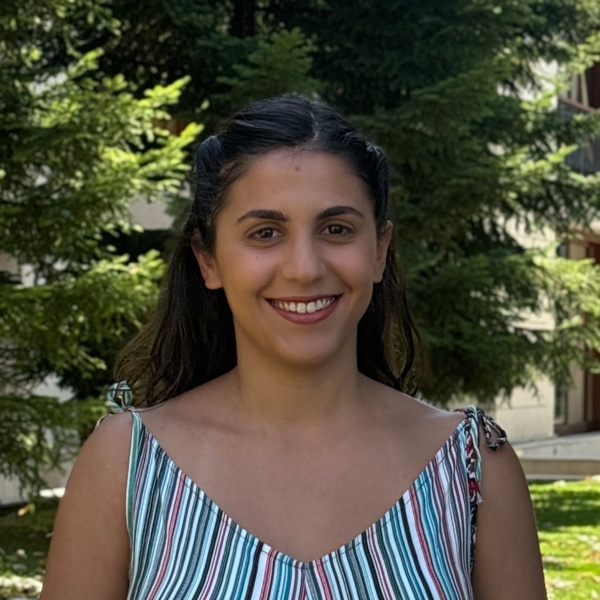
Muriel Slim
Saint Joseph University in Beirut
International Federation of Medical Students’ Associations (IFMSA)
Tell us about your medical student organization and why it's important to the medical community.
IFMSA was founded in 1951, in the aftermath of World War II, with the idea of bringing medical students from different countries together and fostering collaboration across borders. Today, IFMSA is one of the world’s largest and oldest student-led organizations, connecting medical students from around the world.
What makes IFMSA special is that medical students from different countries, cultures, and backgrounds come together to exchange experiences, learn from one another, and work towards shared goals. Beyond these connections, IFMSA provides medical students with a collective voice and the opportunity to contribute meaningfully to conversations around medical education, global health, and the future of healthcare.
What motivates you to serve as a student leader?
As IFMSA’s Liaison Officer for Medical Education, I have the honor of representing medical students worldwide in discussions with leading organizations and institutions in medical education. I’m very passionate about medical education, and what motivates me most is making student engagement truly meaningful. I strongly believe that students should be active partners in shaping the education they receive, with a voice and a seat at the table in the decisions that affect them. Having the opportunity to contribute to that is both a privilege and a responsibility that I truly value.
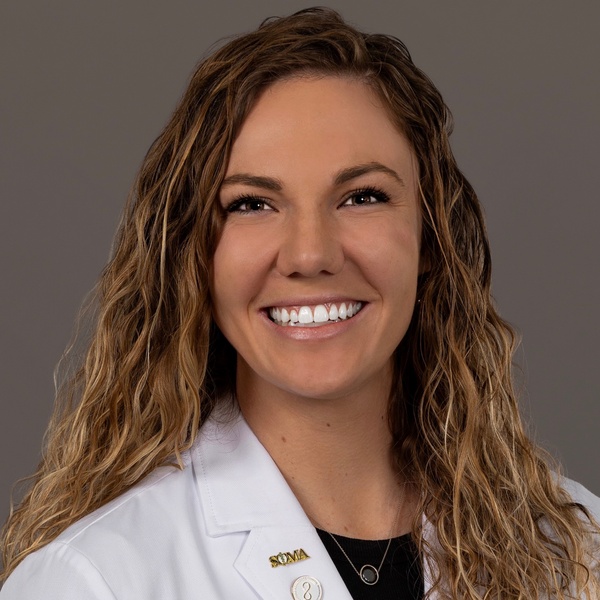
Lu Wolff
Idaho College of Osteopathic Medicine
Student Osteopathic Medical Association (SOMA)
Tell us about your medical student organization and why it's important to the medical community.
As National President of SOMA, I represent nearly 16,000 osteopathic medical students across the country. SOMA exists to empower future DOs to lead, advocate and innovate in patient care. Our organization is essential because we ensure the student voice actively shapes health policy, medical education standards and professional advocacy. Beyond supporting our own community, SOMA builds bridges across the entire medical spectrum; fostering collaboration with groups and organizations like NBME to ensure all students, regardless of degree pathway or exam history, have the representation and resources they need to thrive.
What motivates you to serve as a student leader?
As a DO student on an NBME panel who didn't take the United States Medical Licensure Examination® (USMLE®), I want to demonstrate that advocacy often means showing up where our path isn't the standard. I'm driven to open doors, foster cross-organizational respect, and ensure our distinct osteopathic identity is valued everywhere decisions are made.
Reflecting on your own experience, what advice would you give students beginning their first year of medical school?
Own your unique path. Your worth as a future physician is defined by your dedication to patients, not just test scores. Embrace advocacy early. You don't need a national title to speak up for your peers or patients. Follow what excites you. As T.D. Jakes put it, "If you can't figure out your purpose, figure out your passion. For your passion will lead you right into your purpose."